
The Hidden Cost of Bored Cats: Stress Signals at Home
Boredom in indoor cats often looks like “bad behavior.” Learn stress signs, how to rule out pain or anxiety, and an enrichment checklist for multi-cat homes.
When “Bad Behavior” Is Actually a Stress Signal
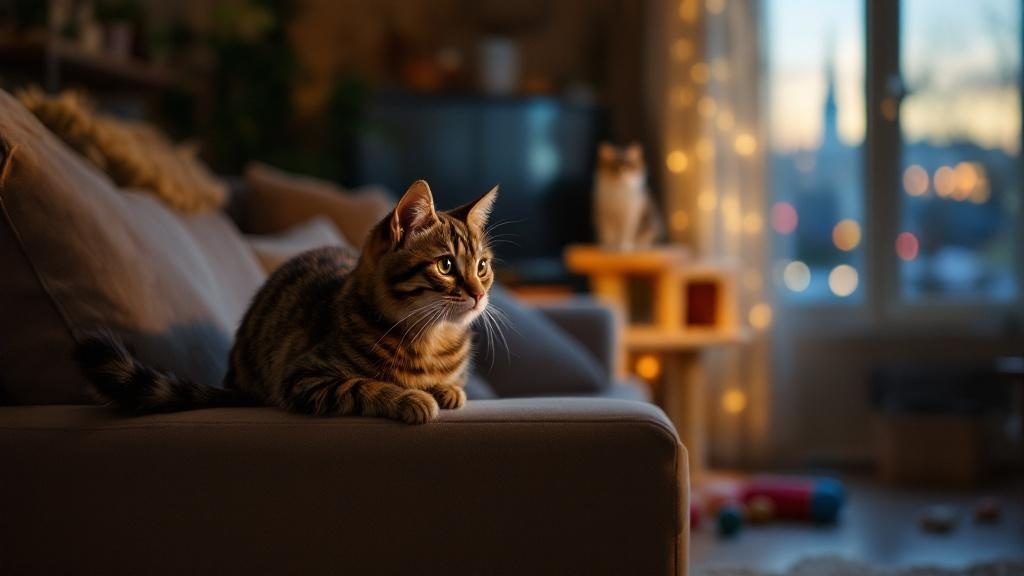
Many so-called “behavior problems” are stress signs from an understimulated cat. In indoor cat enrichment conversations, the biggest misconception is that cats act out to be defiant. More often, they’re trying to meet unmet needs: predatory play, movement, novelty, and control over their space. When those needs go unfulfilled—especially in busy households—stress can leak out as overgrooming, frequent meowing, furniture scratching, food obsession, or picking fights with a housemate.
Watch for patterns. Midnight zoomies can be a predictable “energy rebound” from a quiet day, while sudden aggression may reflect frustration or competition in a multi-cat household. Even “clingy” behavior can be a coping strategy when the environment feels boring or unpredictable. Seeing these through a cat behavior lens helps you respond with support rather than punishment.
The good news: small, consistent routines are often more effective than occasional marathon play. Short, structured sessions—like timed tap-and-chase games—can turn pet wellbeing goals into a sustainable habit, especially for indoor cats with limited stimulation.
Boredom vs. Anxiety vs. Pain: How to Tell What’s Going On
Because cat behavior changes can have multiple causes, it helps to separate boredom from anxiety or pain. Boredom-related stress signs are often rhythmic and situational: zoomies after long quiet stretches, scratching near doorways or sleeping areas, or pestering you during predictable work calls. You may also see a “brief fix” after interactive play—your cat relaxes, grooms normally, and settles.
Anxiety tends to look more vigilant or avoidant: hiding, startle responses, conflict around resources, or toileting outside the box when the household routine shifts. Pain (including dental disease, arthritis, urinary discomfort) can mimic irritability or “aggression,” reduced play interest, sudden overgrooming, or reluctance to jump. Red flags that should prompt a vet visit include abrupt onset, weight loss, changes in appetite/thirst, litter box changes, limping, vocalizing when touched, or behavior that worsens despite enrichment.
If medical causes are ruled out and tension persists—especially in a multi-cat household—consider a certified behavior professional. Combining targeted indoor cat enrichment with environmental adjustments often improves pet wellbeing faster than guesswork.
An Indoor & Multi-Cat Enrichment Checklist (That You’ll Actually Use)
For most homes, the goal isn’t “more toys,” it’s better structure. Use this indoor cat enrichment checklist to reduce stress signs and support pet wellbeing: (1) Schedule 1–3 short play sessions daily (3–10 minutes) that mimic hunt cycles—stalk, chase, pounce, then a calm finish. (2) Rotate toy types weekly (fast skittering, slow creeping, vertical wand play) to match individual cat behavior preferences. (3) Add vertical territory and hiding options—cat trees, shelves, covered beds—so cats can opt out, which lowers multi-cat household tension.
Next, reduce competition: (4) Provide one more litter box than the number of cats, in separate locations. (5) Create multiple feeding/water stations and resting zones. (6) Use predictable cues: a pre-meeting play session, then a small snack, then quiet time.
Finally, track what works. A lightweight routine—like PurrPlay Studio’s timed, safe tap-and-chase sessions with cooldowns and simple engagement tracking—can reveal preferred games and best time-of-day patterns, turning enrichment into a repeatable plan rather than a guess.
When “Bad Behavior” Is Actually a Stress Signal
Many so-called “behavior problems” are stress signs from an understimulated cat. In indoor cat enrichment conversations, the biggest misconception is that cats act out to be defiant. More often, they’re trying to meet unmet needs: predatory play, movement, novelty, and control over their space. When those needs go unfulfilled—especially in busy households—stress can leak out as overgrooming, frequent meowing, furniture scratching, food obsession, or picking fights with a housemate.
Watch for patterns. Midnight zoomies can be a predictable “energy rebound” from a quiet day, while sudden aggression may reflect frustration or competition in a multi-cat household. Even “clingy” behavior can be a coping strategy when the environment feels boring or unpredictable. Seeing these through a cat behavior lens helps you respond with support rather than punishment.
The good news: small, consistent routines are often more effective than occasional marathon play. Short, structured sessions—like timed tap-and-chase games—can turn pet wellbeing goals into a sustainable habit, especially for indoor cats with limited stimulation.
Boredom vs. Anxiety vs. Pain: How to Tell What’s Going On

Because cat behavior changes can have multiple causes, it helps to separate boredom from anxiety or pain. Boredom-related stress signs are often rhythmic and situational: zoomies after long quiet stretches, scratching near doorways or sleeping areas, or pestering you during predictable work calls. You may also see a “brief fix” after interactive play—your cat relaxes, grooms normally, and settles.
Anxiety tends to look more vigilant or avoidant: hiding, startle responses, conflict around resources, or toileting outside the box when the household routine shifts. Pain (including dental disease, arthritis, urinary discomfort) can mimic irritability or “aggression,” reduced play interest, sudden overgrooming, or reluctance to jump. Red flags that should prompt a vet visit include abrupt onset, weight loss, changes in appetite/thirst, litter box changes, limping, vocalizing when touched, or behavior that worsens despite enrichment.
If medical causes are ruled out and tension persists—especially in a multi-cat household—consider a certified behavior professional. Combining targeted indoor cat enrichment with environmental adjustments often improves pet wellbeing faster than guesswork.
An Indoor & Multi-Cat Enrichment Checklist (That You’ll Actually Use)
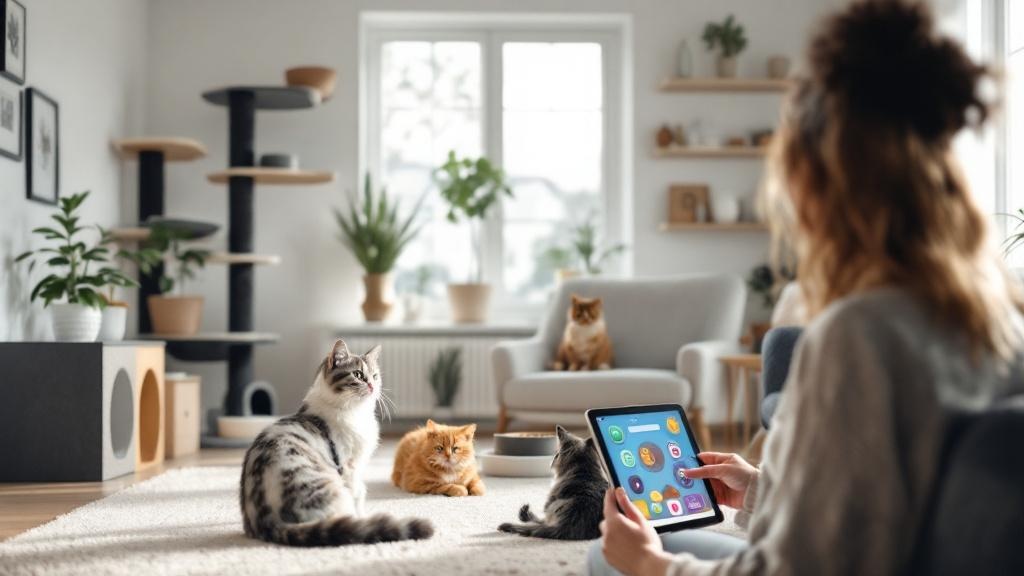
For most homes, the goal isn’t “more toys,” it’s better structure. Use this indoor cat enrichment checklist to reduce stress signs and support pet wellbeing: (1) Schedule 1–3 short play sessions daily (3–10 minutes) that mimic hunt cycles—stalk, chase, pounce, then a calm finish. (2) Rotate toy types weekly (fast skittering, slow creeping, vertical wand play) to match individual cat behavior preferences. (3) Add vertical territory and hiding options—cat trees, shelves, covered beds—so cats can opt out, which lowers multi-cat household tension.
Next, reduce competition: (4) Provide one more litter box than the number of cats, in separate locations. (5) Create multiple feeding/water stations and resting zones. (6) Use predictable cues: a pre-meeting play session, then a small snack, then quiet time.
Finally, track what works. A lightweight routine—like PurrPlay Studio’s timed, safe tap-and-chase sessions with cooldowns and simple engagement tracking—can reveal preferred games and best time-of-day patterns, turning enrichment into a repeatable plan rather than a guess.